
Liveaboard Boats for Sale
Your Ultimate Buying Guide
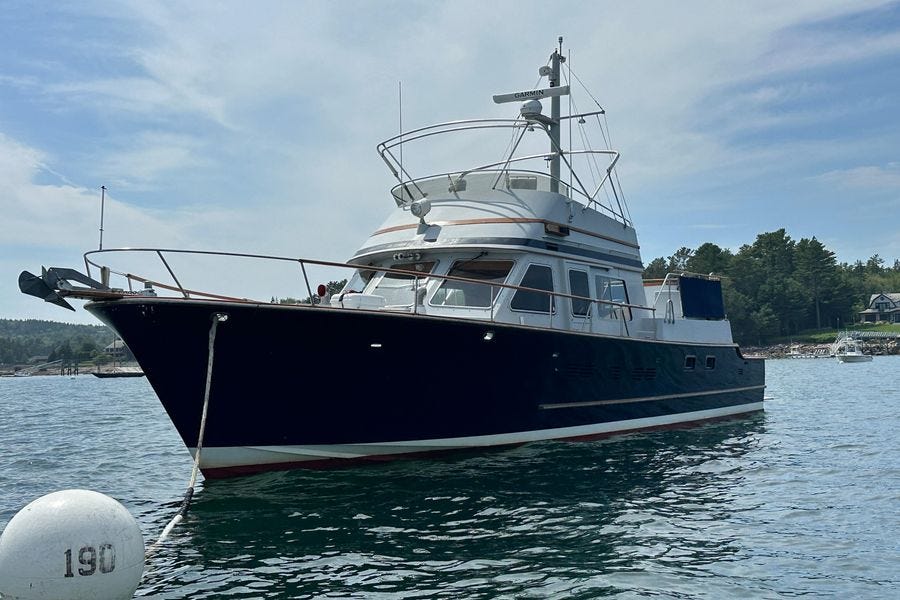
Are you ready to trade terrestrial living for a life of freedom on the water? Whether your dream is a stationary houseboat on a quiet lake or an ocean-crossing catamaran built for global adventure, finding the right floating home is a massive financial and lifestyle commitment. This comprehensive guide will help you navigate the highly specialized market of liveaboard vessels, ensuring you understand the logistics, costs, and configurations before you sign a bill of sale.
Understanding the Liveaboard Lifestyle
Trading a traditional foundation for a floating hull requires you to entirely rethink personal space, ongoing maintenance, and daily routines. The transition demands a vessel that not only comfortably fits your budget but also perfectly aligns with your intended level of geographic mobility and climate tolerance.
Living aboard is not simply about finding a boat with a bed; it is about finding a miniature, self-sustaining ecosystem. You will be managing your own fresh water supply, generating your own power, and dealing with waste management in ways land-dwellers never consider. Because of these unique challenges, a boat that is fantastic for a weekend getaway might be utterly miserable for full-time living. It requires a specific layout, ample storage, and robust onboard systems to make the transition viable.
“What is the best kind of live aboard boat? Like buying a house or renting an apartment, personal taste weighs heavy when choosing a boat.” - Heather Francis via YachtWorld
Also Read: Top Liveaboard Boats on East Coast Cruiser
Types of Liveaboard Boats for Sale
Not all marine vessels are engineered equally when it comes to serving as a permanent, full-time residence. Your ultimate choice will depend heavily on whether you plan to stay securely docked at a local marina or constantly cruise the open oceans.
Motor Yachts and Trawler Boats
Motor yachts offer apartment-like interior layouts, making them incredibly popular for buyers transitioning from spacious traditional homes. They typically feature expansive salons, multiple staterooms, and climate-controlled flybridges that act as secondary living rooms. Trawlers, on the other hand, provide incredible fuel efficiency and heavy-displacement seaworthiness for long-distance, coastal, or even bluewater cruising. They are perfect for buyers who prioritize maximum interior living space and stable, slow-speed comfort over the wind-swept romance of sailing.
Also Read: Top Trawlers for Long Distance Ocean Cruising on East Coast Cruiser
Catamarans and Bluewater Sailboats
For the adventurous souls who are actively looking for liveaboard boats for sale to travel the globe, sailboats are the undisputed top-tier choices. Catamarans have skyrocketed in popularity among full-timers because they offer dual hulls for enhanced stability at anchor and wide, light-filled saloons that prevent the dreaded feeling of marine claustrophobia.
The Monohull vs. Multihull Debate
While catamarans provide unmatched square footage and a flat sailing experience, traditional monohulls remain beloved for their classic aesthetics and superior ability to cut through heavy seas. Monohulls are also significantly cheaper to dock, as multihulls often incur double-slip fees at marinas due to their massive beam width. However, moving onto a sailboat means ruthlessly downsizing your earthly possessions.
“We sold everything we owned. Getting rid of our belongings was a whole journey in itself.” - Brioni Cameron via YachtWorld
Houseboats and Floating Homes
If your primary goal is maximum residential square footage without the burning desire to cross oceans or battle heavy surf, houseboats are entirely unparalleled. Modern houseboats boast full-sized residential household appliances, massive entertainment decks, and proper insulation suited for four-season living. They are essentially floating condos, ideal for lakes, slow rivers, and highly protected coastal waterways where seaworthiness takes a back seat to supreme comfort.
Crucial Considerations Before You Buy
Before finalizing the purchase of any large vessel, you must rigorously account for the hidden, unglamorous logistics of full-time marine living. Everything from securing a legally zoned slip to understanding complex marine maintenance schedules will ultimately dictate your long-term happiness.
Securing a Marina Slip and Liveaboard Fees
Finding a beautiful boat is ironically much easier than finding a marina that legally and happily allows you to live on it. Liveaboard slips are heavily regulated by local municipalities, and many modern marinas strictly cap their liveaboard residents at a mere 10% to 15% of their total dock capacity. Before you ever place an offer on a vessel, you must ensure you have a guaranteed place to park it, factoring in the monthly slip fee, liveaboard surcharges, and utility costs.
The boat article below is an example of a boat with marina liveaboard slip included.
The Importance of Marine Surveys
Never purchase a liveaboard vessel without hiring an accredited, independent marine surveyor to inspect the hull, decks, and systems. A boat may look pristine on the surface, but a surveyor can uncover hidden delamination, engine gremlins, or dangerously outdated electrical wiring. This inspection is not just for your peace of mind; marine insurance companies will flatly refuse to underwrite your new floating home without a satisfactory, recent survey report.
Redundancy in Propulsion Systems
When you are carrying your entire life and all your worldly possessions aboard, mechanical reliability suddenly becomes paramount. Single-engine vessels are generally cheaper to buy and maintain, but dual engines offer a critical safety net that many full-time cruisers swear by.
“I’d always recommend getting a houseboat with two engines rather than a single engine. The first reason is for redundancy... The second reason is for maneuverability and ease-of-operation.” - Boat Trader Editors via Boat Trader
Essential Gear: Equipping Your Floating Home
Moving onto a boat means constantly battling the natural elements twenty-four hours a day, with atmospheric moisture being your absolute worst enemy. Keeping your interior air dry is critical for both your respiratory health and the long-term preservation of the boat’s finishes.
Living directly on the water means dealing with relentless, pervasive humidity, which can quickly lead to toxic mold and destructive mildew inside your enclosed cabins. A high-quality marine dehumidifier is not an optional luxury; it is an absolute, non-negotiable necessity for any liveaboard. If you are currently browsing liveaboard boats for sale, do yourself a favor and immediately add the Pro Breeze Electric Mini Dehumidifier to your shopping cart. This specific unit is a favorite among boaters because it is incredibly compact, highly energy-efficient, and easily fits into tight galley corners while actively pulling moisture out of the salty air.
Here is why a compact dehumidifier is a vital addition to your marine inventory:
Prevents Destructive Mold: It keeps the ambient indoor humidity well below the specific threshold where dangerous mold spores naturally thrive.
Extremely Low Power Draw: It utilizes minimal electricity, which is utterly essential for boats relying on finite solar power banks or limited shore power connections.
Space-Saving Footprint: It fits effortlessly on a small galley counter or a salon shelf without eating up your highly valuable, limited living space.
Summary of Your Liveaboard Journey
Making the bold leap to a liveaboard lifestyle is an incredibly rewarding adventure that demands thorough preparation and highly realistic expectations. By taking the time to truly understand the different vessel types, securing a proper slip in advance, and outfitting your boat with the right preventative gear, you are setting yourself up for immense success.
To ensure your transition from land to sea is seamless, keep these core principles in mind:
Carefully determine if your personal lifestyle demands a stationary houseboat, a comfortable coastal motor yacht, or a globally capable bluewater sailboat.
Always secure a verified, liveaboard-friendly marina slip before you ever transfer funds to purchase the actual boat.
Invest heavily in moisture-control gear and redundant safety systems immediately upon moving your belongings aboard.
What you may wonder additionally
Transitioning to a liveaboard life naturally generates dozens of complex logistical, legal, and financial questions for newcomers. Here are the most common, pressing inquiries buyers have when attempting to navigate this highly unique housing market.
Are liveaboard boats a good financial investment? Unlike traditional terrestrial real estate, boats generally depreciate in monetary value over time. The true “investment” you are making is entirely in the lifestyle, the unparalleled mobility, and the unique daily experiences, rather than expecting a lucrative financial return when you eventually sell.
Can you finance a liveaboard boat like a house? Yes, you certainly can, but liveaboard marine mortgages are structured differently than standard home loans. Banks view full-time liveaboard vessels as higher-risk assets, so they often require larger down payments (typically between 20% and 30%) and will almost always charge slightly higher interest rates.
Do you have to pay property taxes on a liveaboard boat? In the vast majority of jurisdictions, you do not pay traditional real estate property taxes because you do not own the land beneath the water. However, you will still be responsible for annual personal property taxes on the vessel itself, state registration fees, and potentially specific liveaboard municipal fees passed down through your marina.


