
Center Console Boats For Sale
The Ultimate Guide to Buying Your Next Vessel
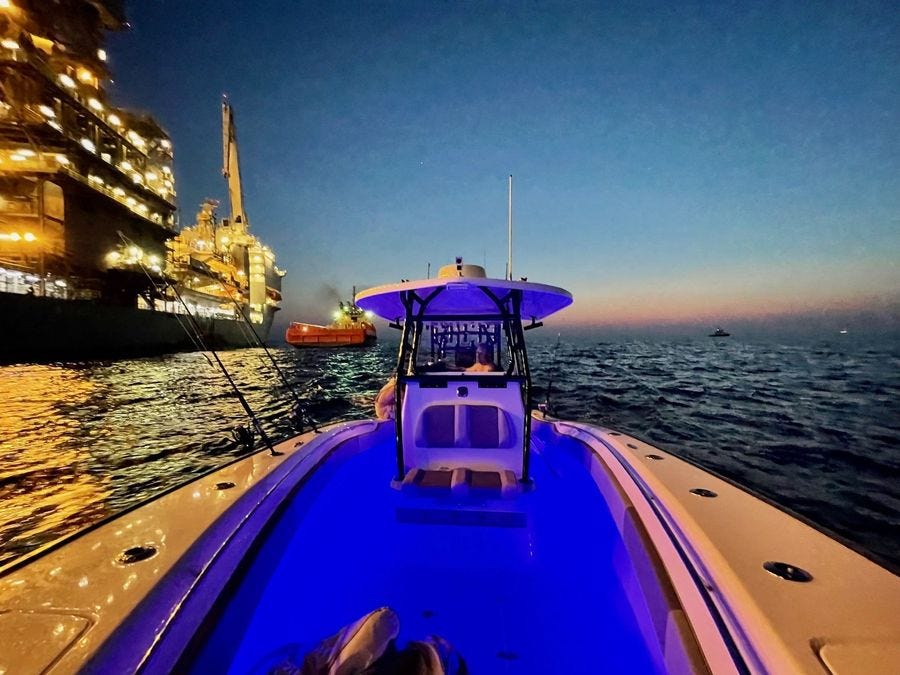
Whether you are upgrading from a smaller skiff or purchasing your very first offshore fishing machine, understanding the nuances of these boats is vital. If you are preparing to outfit a new purchase, you will definitely want to check out top-rated gear like the YETI Tundra 65 Cooler on Amazon, a highly durable cooler that fits perfectly under standard leaning posts to keep your catch or drinks ice-cold. Buying a boat is a major financial and emotional investment, and doing your homework ensures you get exactly what you pay for. Let’s dive deep into what makes these boats the crown jewels of the coast and how you can secure the best deal.
Also Read: Top Center Consoles on East Coast Cruiser
Why Center Console Boats Dominate the Water
There is a distinct reason why marinas across the globe are packed with these versatile vessels. They offer an unmatched blend of rugged functionality, safety, and raw performance that other hull designs simply cannot replicate.
The Unique Layout and 360-Degree Fishability
The defining feature of a center console boat is exactly what the name implies: the helm (steering station) is mounted directly in the center of the boat. This design leaves the entire perimeter of the deck completely open. For anglers, this layout is the holy grail. It provides true 360-degree fishability, meaning you can follow a fighting fish from the bow all the way to the stern without ever having to pass a fishing rod around a windshield or a cabin wall. You never have to worry about tripping over awkward seating arrangements when the bite is hot.
Beyond fishing, this open layout is incredibly practical for socializing. Modern center consoles have evolved from bare-bones fishing platforms into luxurious day boats. Many now feature plush forward lounge seating, fold-away stern benches, and even hidden head (bathroom) compartments tucked neatly inside the console itself. It is the perfect compromise for families who want to fish aggressively on Saturday and cruise to a sandbar for a relaxing picnic on Sunday.
Superior Handling and Performance
Another major advantage of these boats is their inherent balance and seaworthiness. Because the helm, the captain, and often the heaviest storage compartments are located in the middle of the boat, the vessel’s center of gravity is perfectly optimized. This balanced weight distribution allows the boat to cut through choppy waves with remarkable stability.
Most offshore center consoles utilize a “deep-V” hull design. This means the bottom of the boat has a sharp angle (deadrise), typically between 20 and 24 degrees at the transom. This sharp hull acts like a knife, slicing through aggressive swells rather than violently slapping against them. When the wind picks up and the water gets rough, a well-built center console will get you back to the dock safely and comfortably.
Key Factors When Browsing Center Console Boats For Sale
Finding the right boat requires looking past the shiny fiberglass and evaluating how the vessel truly aligns with your daily lifestyle. The market is flooded with diverse options, so narrowing down your specific maritime needs will save you immense time and money.
Determining Your Primary Usage
Before you even look at a listing, you need to be brutally honest about how you will actually use the boat. A common mistake buyers make is purchasing a heavy, deep-draft offshore boat when 90% of their time will be spent cruising shallow intracoastal waterways. Conversely, buying a flat-bottom bay boat and trying to take it 30 miles offshore into the Atlantic is a recipe for a very bad, potentially dangerous day.
If your goal is chasing pelagic species like tuna and mahi-mahi in open water, you need an offshore center console with high gunwales (sides), a deep-V hull, and substantial fuel capacity. If you prefer sneaking up on redfish in knee-deep water but still want the ability to cross a choppy bay, a hybrid “bay boat” center console with a shallower draft is your best bet.
As noted by industry experts regarding the unmatched versatility of these vessels:
“A well-built center console with a T-top is one of the most practical, “actually-use-it” boats for the Gulf Coast—especially if you want to fish inshore one day, cruise with friends the next, and still have the option to head offshore when conditions are right.” — Meredith Folger Amon, Search the Gulf
Size, Draft, and Engine Configurations
Center consoles range anywhere from a nimble 18 feet to massive, multi-engine 60-foot luxury yachts. For most families and casual anglers, a boat in the 21 to 26-foot range hits the sweet spot. It is large enough to handle moderate offshore chop safely but small enough to be easily trailered behind a standard pickup truck.
Outboard Engine Choices
When looking at boats for sale, you will notice they are almost exclusively powered by outboard motors. Outboards are easy to maintain, offer incredible power-to-weight ratios, and can be fully tilted out of the saltwater to prevent corrosion. The debate between single and twin outboards is legendary. A single 300-horsepower engine is cheaper to buy, cheaper to maintain, and highly fuel-efficient. However, twin 150-horsepower engines offer peace of mind; if one engine dies while you are 20 miles offshore, the second engine will safely bring you home.
Top Brands and the True Cost of Ownership
The manufacturer you choose dictates not only your initial purchase price but also the long-term resale value of your maritime investment. From entry-level bay boats to luxurious multi-engine offshore machines, understanding the different tiers of the market is crucial for a smart purchase.
Market Leaders in the Center Console Space
When browsing listings, you will encounter dozens of manufacturers. Some prioritize raw, no-frills fishing utility, while others focus on high-end luxury and yacht-like finishes. Here are a few notable brands you will frequently see on the market:
Boston Whaler: Often called “the unsinkable legend,” these boats are famous for their foam-filled hulls, impeccable safety records, and extremely high resale value.
Grady-White: Known for their proprietary SeaV2 hull design, these boats offer one of the driest and softest rides in rough water, paired with excellent family-friendly amenities.
Sea Hunt: An incredibly popular mid-tier brand that offers a fantastic balance of standard features, modern styling, and affordability, making them a top choice for entry-level and intermediate boaters.
Understanding the Financial Commitment
Buying the boat is only the first step; keeping it on the water is where the real budgeting begins. Center console ownership costs can vary wildly depending on the size of the boat and where you choose to store it.
Storage: Keeping your boat on a trailer in your driveway is virtually free, but renting a slip at a wet marina or using a dry-stack storage facility can cost anywhere from $2,000 to over $10,000 annually.
Insurance and Maintenance: Marine insurance premiums rise significantly for boats over 26 feet or those equipped with multiple high-horsepower engines. Additionally, expect to pay for annual engine servicing, bottom painting, and winterization.
Fuel: Twin-engine offshore boats are incredibly thirsty. An average 28-foot center console cruising at 30 miles per hour can easily burn 15 to 20 gallons of fuel per hour.
How to Inspect Pre-Owned Center Consoles
Purchasing a pre-owned vessel is a fantastic way to hit the water without absorbing the steep depreciation of a brand-new boat. However, navigating the used market requires a meticulously sharp eye to avoid accidentally purchasing a floating money pit.
When looking at used center console boats for sale, the engine is often the most expensive component to replace, making it your primary inspection focus. Always insist on a cold start to see how the engine behaves, and hire a certified marine mechanic to perform a compression test on the cylinders. Furthermore, ask the seller for digital readouts of the engine hours; outboards with over 1,000 hours are not necessarily bad, but they will require more meticulous maintenance.
Equally important is the structural integrity of the fiberglass hull. Look out for these major red flags:
Transom Stress Cracks: Inspect the area where the outboard motor mounts to the boat. Deep, spiderweb-like cracks can indicate rotting wood or structural failure inside the transom.
Soft Spots on the Deck: Walk heavily around the center console, the bow casting platform, and the stern. If the floor feels spongy or yields under your weight, water has likely intruded into the core material, requiring an expensive fiberglass repair.
Electrical Gremlins: Open the console door and look at the wiring behind the helm. A neat, organized wiring harness is a sign of a well-maintained boat. A chaotic “rat’s nest” of spliced wires and corroded connectors will lead to endless frustration when your bilge pumps or navigation lights suddenly fail.
Conclusion
Wrapping up your boat-buying journey comes down to balancing your budget with your realistic on-the-water ambitions. Armed with the right knowledge, you can confidently navigate the market and secure a vessel that will provide years of reliable enjoyment.
Center console boats have earned their reputation as the ultimate maritime Swiss Army knives. Whether you are chasing trophy fish at the edge of the continental shelf, towing the kids on a wakeboard, or simply enjoying a sunset cruise, these boats deliver unmatched performance and versatility. By carefully considering your primary usage, researching reputable brands, and conducting thorough inspections, you will find a boat that perfectly anchors your waterfront lifestyle.
What you may wonder additionally
What is the difference between a center console and a dual console boat? A center console features a single, centrally located helm, allowing you to walk entirely around the perimeter of the boat—perfect for fishing. A dual console has two separate dashboards (one for the driver, one for a passenger) with a walkway down the middle to the bow, offering more windshield protection and a layout similar to a traditional bowrider.
Do center console boats have bathrooms? Yes, the vast majority of modern center console boats over 21 feet feature a dedicated space inside the console itself that houses a portable toilet (porta-potty) or a fully plumbed marine head.
How long do outboard motors typically last on a center console? With proper routine maintenance, modern four-stroke outboard motors from reputable brands like Yamaha or Mercury can easily last between 1,500 and 2,000 hours before requiring any major internal overhauls. For the average recreational boater who puts 50 to 100 hours on their boat per year, this translates to decades of reliable use.
Are center console boats good for rough water? Absolutely. Center consoles specifically built for offshore use feature a deep-V hull design and high gunwales, making them exceptionally capable of cutting through heavy chop and rough seas safely and comfortably.


